
The Complete Guide to Modern Elevators
Modern elevators have transformed how buildings function. From residential apartments and hospitals to shopping malls and corporate offices, elevators are now an essential part of everyday infrastructure. As cities expand vertically, the need for efficient, safe, and technologically advanced elevator systems continues to grow.
In this guide, we will explore how modern elevators work, the different types available today, the technologies that power them, and why proper installation and maintenance are crucial for long-term reliability.
Why Elevators Are Essential in Modern Buildings
Buildings today are designed to maximize space and accommodate growing urban populations. Without elevators, high-rise living and working environments would be impractical.
Elevators make multi-story buildings accessible, efficient, and convenient. They help people move quickly between floors while reducing physical effort and saving time. In commercial buildings, elevators improve productivity by allowing employees and visitors to move seamlessly throughout the building.
They are equally important for accessibility. Elderly individuals, people with disabilities, and those carrying heavy items depend heavily on elevators for safe and comfortable movement within buildings.
Modern elevator systems are also designed with safety and energy efficiency in mind, making them an important part of sustainable building infrastructure.
Types of Modern Elevators
Not all elevators are the same. Different buildings require different types of elevator systems based on space, height, and usage.
Passenger Elevators
Passenger elevators are the most common type used in residential buildings, offices, hotels, and malls. They are designed to carry people comfortably and safely between floors.
These elevators usually feature smooth operation, automatic doors, and modern control panels. Many newer models also include touchless technology and smart controls.
Freight Elevators
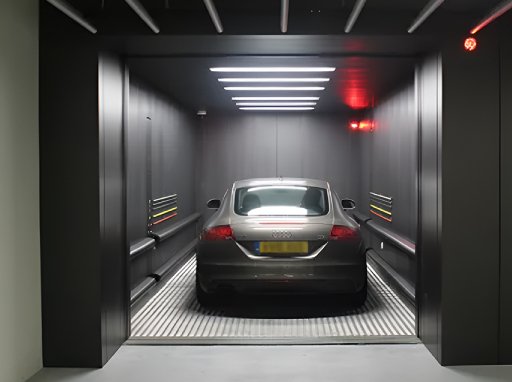
Freight elevators are built to transport heavy goods instead of passengers. These are commonly used in warehouses, factories, shopping malls, and industrial buildings.
They are designed with stronger materials and higher load capacities to handle large items such as equipment, inventory, and supplies.
Hospital Elevators
Hospitals require specialized elevators that can accommodate stretchers, wheelchairs, and medical equipment. These elevators are designed to operate smoothly and quietly to ensure patient comfort.
They also have larger cabin sizes and advanced safety systems.
Home Elevators
Home elevators are becoming increasingly popular in luxury homes and villas. They provide convenience and accessibility while also adding value to the property.
Modern home elevators are compact, stylish, and designed to fit within limited residential spaces.
How Modern Elevators Work
Elevators operate using advanced mechanical and electronic systems that allow them to move vertically between floors.
Most modern elevators use one of the following mechanisms.
Traction Elevators
Traction elevators use ropes and counterweights to move the elevator cabin. An electric motor drives the system, allowing the cabin to move up and down smoothly.
These elevators are commonly used in high-rise buildings because they are fast, efficient, and capable of traveling long distances.
Hydraulic Elevators
Hydraulic elevators use a piston powered by hydraulic fluid to lift the cabin. These systems are commonly used in low-rise buildings such as apartments, hospitals, and small commercial properties.
They are reliable and relatively simple in design, making them a popular option for many buildings.
Machine Room Less (MRL) Elevators
MRL elevators are a newer innovation that eliminates the need for a separate machine room. The equipment is installed within the elevator shaft itself.
This design saves space and reduces construction costs, making it an increasingly popular choice in modern building projects.
Key Features of Modern Elevator Technology
Elevator technology has evolved significantly over the past few decades. Today’s elevators are smarter, safer, and more energy efficient than ever before.
Smart Control Systems
Modern elevators use intelligent control systems to optimize movement and reduce waiting time. These systems analyze traffic patterns within the building and assign elevators accordingly.
In large buildings, destination control systems allow passengers to select their floor before entering the elevator, improving efficiency and reducing congestion.
Energy Efficient Operation
Energy efficiency is an important aspect of modern elevator design. Many elevators now use regenerative drives that capture energy when the elevator moves downward and convert it into reusable electricity.
LED lighting, standby modes, and efficient motors also help reduce power consumption.
Advanced Safety Systems
Safety is one of the most important aspects of elevator design. Modern elevators include multiple safety mechanisms to protect passengers.
These may include:
- Emergency braking systems
- Overload sensors
- Automatic rescue devices
- Door obstruction sensors
- Emergency communication systems
These systems ensure elevators operate safely even during unexpected situations such as power outages.
The Importance of Professional Installation
Elevator installation is a highly technical process that requires specialized knowledge and experience. Every component must be installed precisely to ensure safety and reliability.
Working with an experienced Lift Manufacturer and Installer in Rajasthan ensures that the elevator system meets safety regulations and operates efficiently from day one.
Professional installation includes:
- Structural assessment of the building
- Proper shaft and machine room planning
- Electrical and mechanical system integration
- Safety testing and certification
Without proper installation, elevators may face operational issues, safety risks, or reduced lifespan.
Why Regular Maintenance Matters
Like any complex mechanical system, elevators require routine maintenance to function properly. Regular inspections help identify minor issues before they turn into costly repairs.
Professional Elevator installation & maintenance in Udaipur, Rajasthan services ensure that elevators remain safe, reliable, and efficient over time.
Maintenance typically includes:
- Checking cables and pulleys
- Inspecting control systems
- Lubricating mechanical components
- Testing safety mechanisms
- Updating software systems
Scheduled maintenance not only improves safety but also extends the life of the elevator system.
Choosing the Right Elevator Partner
Selecting the right elevator company is just as important as choosing the elevator itself. A reliable company will guide you through the entire process, from planning and design to installation and maintenance.
An experienced elevator manufacturer in Rajasthan can provide customized solutions based on the building’s size, purpose, and traffic requirements.
When choosing an elevator partner, consider factors such as:
- Industry experience
- Safety certifications
- Quality of materials and technology
- After-sales support and maintenance services
- Customer reviews and reputation
A trusted provider ensures the elevator system remains safe and efficient for many years.
Future Trends in Elevator Technology
The elevator industry continues to innovate as buildings become taller and smarter.
Some emerging trends include:
Smart Elevators
Smart elevators integrate with building management systems and mobile apps. Users can call elevators using smartphones or access systems.
Touchless Controls
After the global pandemic, many elevators now include touchless buttons, voice commands, or gesture-based controls.
AI-Based Traffic Management
Artificial intelligence is being used to analyze building traffic patterns and optimize elevator movement for faster service.
High-Speed Elevators
New technologies allow elevators to travel at extremely high speeds while maintaining passenger comfort.
These innovations are shaping the future of vertical transportation and making elevators smarter than ever before.
Conclusion
Elevators are no longer just a convenience. They are a critical component of modern infrastructure that supports urban living, accessibility, and efficient building design.
From residential complexes and hospitals to commercial towers and industrial facilities, elevators enable people and goods to move safely and efficiently across multiple floors.
Understanding how elevators work, the different types available, and the importance of proper installation and maintenance can help building owners make informed decisions.
